Language Learning Tracker App: What to Look For
Most people go looking for a language tracker after the same realisation: the app they learn with only counts what happens inside that app. Your Duolingo streak doesn't know about the podcast on the bus, Anki doesn't know about the anime episode, and none of them know how many hours you have put into the language in total.
A tracker fixes that by being the one place where every session lands. But a tracker only works if you keep using it, and most get abandoned within a few weeks. Here's what to check before you commit to one, based on what actually keeps people logging.
On this page
1. Logging takes seconds, not a form
This matters more than every other feature combined. If logging a 20-minute YouTube video means opening a page, picking a date, typing minutes and choosing three dropdowns, you will skip it on tired evenings, and the gaps make the totals meaningless.
Look for some combination of: a timer you can start and stop, sensible defaults (today's date, your main language), and shortcuts for the sessions you repeat. Most people's study is repetitive in a good way: the same podcast, the same Anki deck, the same show. A tracker should notice that and turn it into a one-tap entry.
2. It counts sources, not just minutes
"45 minutes of Japanese" is less useful than "25 minutes of anime, 20 of Anki". Once you can see time by source, you can answer real questions: is most of my time going into flashcards? Did I stop reading after the new show came out? Is Dreaming Spanish still most of my input?
A good tracker records three things per session: the language, the activity (watching, listening, reading, speaking, writing, vocabulary, grammar) and the source (the specific app, channel or show). Activity tells you your input and output balance; source tells you where the hours really come from. Our guide to logging immersion hours goes deeper on what to record.
3. It shows progress in hours, towards a level
Streaks measure consistency. They don't tell you how far you are from being able to follow a TV show. Hours do, roughly. The U.S. Foreign Service Institute estimates about 690 class hours for Spanish or French to reach professional working proficiency and about 2,200 for Japanese, Korean, Mandarin or Arabic (our FSI list has the figures for every language).
Those numbers are rough, and they assume classroom hours with instructors, but they give you a scale. A tracker that compares your logged total with an estimate for your target level, and projects a date at your current pace, turns "am I getting anywhere?" into a number you can check.
4. You can bring in hours you already have
If you have been learning for a year, starting from zero is demoralising and wrong. Check whether the tracker can import a CSV from the spreadsheet you kept, or at least let you enter a single "hours before" total. Without that, your hours-to-level estimate starts in the wrong place.
5. You can get your data out
Language learning takes years; apps come and go. A CSV export of every session means your log outlives whatever tool you're using today.
6. It handles more than one language
Even if you're learning one language now, a lot of learners add a second within a year or keep an old one alive. Make sure the tracker separates totals and goals per language, and check what that costs.
7. Goals beyond a daily streak
A daily minimum is a good start. But life has weeks with a sick child or a deadline in them, and a single missed day shouldn't erase months of work. Weekly and monthly goals, or a "days hit out of 7" recap, are kinder and more honest measures. Streaks vs goals covers the trade-off.
8. It works where you study
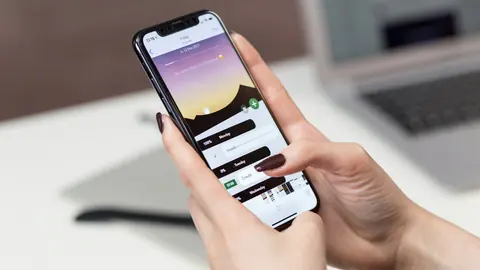
You'll log most sessions on your phone, right after they happen, often in the evening. Whatever you pick has to be quick on a small screen. Native app or web app matters less than whether it opens fast and remembers you're signed in.
What you can ignore
- Automatic syncing with every platform. Very few platforms expose watch history, and automatic counts include the episode you fell asleep to. Manual logging with good shortcuts is more honest.
- Leaderboards. Fun for some, but they reward logged minutes, which is the one number you most need to be honest about.
- Dozens of charts. A weekly total, a breakdown by activity and a year of days is enough.
How LangTrack fits the checklist
We built LangTrack around this list, so judge it against it. It logs minutes by language, activity and source; your most-logged sessions become one-tap shortcuts, and there's a start/stop timer for everything else. You can set daily, weekly, monthly or level goals, and the level goal estimates hours from FSI-based figures and shows a finish date at your recent pace. You can enter your past hours as a single "before LangTrack" total for each language, and export everything as CSV. It runs in the browser on a phone or a laptop, so there's nothing to install. It's free for one language; Pro (US$2.99 a month) adds unlimited languages and full history. The language learning tracker page has the details, or you can try it with today's session.
If you'd rather build your own, a spreadsheet meets most of the checklist except speed of logging. Our Google Sheets language tracker guide and the free log template are good places to start.
FAQ
What is a language learning tracker?
A language learning tracker is a log of the time you spend on a language: the date, the language, what you did (watching, reading, speaking, vocabulary) and for how long. Over weeks it shows your total hours, how they split between activities and sources, and whether you're keeping a steady pace.
Is a lang tracker better than a spreadsheet?
Not always. A spreadsheet is free and fully flexible, and works well if you enjoy maintaining it. A dedicated tracker wins on logging speed and built-in charts, which is what keeps most people logging after the first month.
Can a language tracker measure fluency?
No tracker measures fluency directly. Hours are a proxy for exposure, and they're most useful next to occasional real checks: a practice exam, a conversation, or a show you couldn't follow six months ago.
A tracker built around your hours
One tap for your usual sources, hours to your level, and a starting total for the hours you already have. Free for one language.
Start tracking — free