The LangTrack Blog
Real, no-fluff tips for sticking with it. 237 articles on tracking, habits, methodology, exams, what to watch and read, and the languages we love.
Most read

FSI Language Difficulty Categories: Hours for Every Language

How Long Does It Take to Learn a Language? (Calculator)

The 6 Official UN Languages (and Why Hindi Isn’t One)

How Many Hours to Reach B1? Calculator by Language
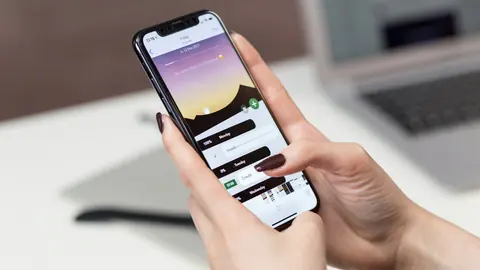
Duolingo Stats Explained: Which Ones Show Real Progress
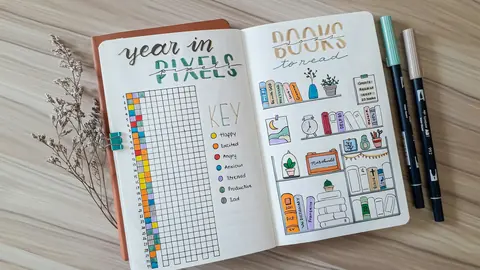
The Best Language Learning Trackers Compared (2026)
All 237 articles
 Watch & Read
Best Historical K-Dramas (Sageuk) for Korean Learners
Sageuk have great stories and very old-fashioned Korean. How palace speech works, when to start, and ten historical K-dramas from Mr. Queen to Six Flying Dragons.
 Watch & Read
Best K-Dramas for Advanced Korean Learners (TOPIK 5–6)
Ready to move past romcoms? Ten K-dramas with legal, medical, political and corporate Korean at full speed, plus one in heavy Jeju dialect.
 Watch & Read
Best K-Dramas for Beginner Korean Learners (2026)
No K-drama is truly beginner-level, but some are far friendlier than others. Eight picks with slow, everyday Korean and a method for learning from them.
 Watch & Read
Best K-Dramas for Intermediate Korean Learners (TOPIK 3–4)
Eight K-dramas that stretch a TOPIK 3–4 learner without burying them: family, romance, startups and law, plus a method for moving to Korean subtitles.
 Watch & Read
Best Korean Books for Beginners: First Reads by Level (2026)
From Cloud Bread to Almond: ten Korean books a beginner can actually finish, ordered by difficulty, with tips on reading your first Korean novel.
 Watch & Read
Best Korean Kids' Shows for Beginner Learners (2026)
Pororo, Tayo, Hello Jadoo and more: ten Korean-made kids' shows ranked from easiest to hardest, and how adult beginners can use them as first real input.
 Watch & Read
Best Korean Movies for Learning Korean, by Level (2026)
Ten Korean films sorted from beginner to advanced, with notes on speed, dialect and audio, plus a simple way to learn from a movie in two viewings.
 Watch & Read
Best Korean Podcasts for Learners, by Level (2026)
Ten Korean podcasts from beginner to native, checked active in 2026, with episode lengths, transcript notes and how to actually learn from listening.
 Watch & Read
Best Korean Variety Shows for Learning Korean (2026)
Variety shows give you unscripted Korean with on-screen captions. Ten shows ranked from calm to chaotic, and how to turn them into reading and listening practice.
 Watch & Read
Best Korean Web Novels for Learners, by Level (2026)
Eight Korean web novels (웹소설) ranked from intermediate to advanced, where to read them, and how to get through a 300-chapter series in a second language.
 Watch & Read
Best Korean YouTube Channels for Learning Korean (2026)
Learner channels for understanding, native channels for hours of real Korean: ten picks by level, all still active, with tips on captions and shadowing.
 Watch & Read
Best Romantic Comedy K-Dramas for Learning Korean (2026)
K-romcoms are a crash course in how Korean speech changes as people get closer. Eight picks, from Secretary Kim to Love Next Door, and how to learn from them.
 Watch & Read
Best Slice-of-Life K-Dramas for Learning Everyday Korean
Family dinners, seaside villages and office life: nine slice-of-life K-dramas that teach the Korean people actually use, with notes on levels and dialects.
 Watch & Read
Best Webtoons for Learning Korean, by Level (2026)
Nine Korean-original webtoons ranked from beginner to advanced, with what each one teaches and how to read webtoons without drowning in lookups.
 Watch & Read
Learn Korean with K-Pop and Ballads: 10 Songs by Level (2026)
Ten Korean songs ranked by how learnable they are, from slow ballads to fast rap, and a simple method for studying lyrics that actually builds your Korean.
 Watch & Read
Best Anime for Advanced Japanese Learners (N1, 2026)
Ten anime that are hard on purpose, from Bakemonogatari's wordplay to Legend of the Galactic Heroes' politics, for N2–N1 learners who have hit a plateau.
 Watch & Read
Best Anime for Beginner Japanese Learners (2026)
Eight kids' and family anime with slow, everyday Japanese that N5–N4 learners can follow, plus a simple rewatch-and-subtitle routine.
 Watch & Read
Best Anime for Intermediate Japanese Learners (2026)
Nine anime that N3–N2 learners can watch mostly in Japanese, with honest notes on speed, vocabulary and register for each.
 Watch & Read
Best Japanese Dramas for Learning Japanese (2026)
Ten live-action Japanese dramas grouped by JLPT level, with honest notes on speed, keigo, dialect and vocabulary, and how to watch them with Japanese subtitles.
 Watch & Read
Best Japanese Graded Readers and Children's Books (2026)
Graded readers, picture books and early chapter books that let Japanese learners read whole stories from day one, with rough JLPT levels and how to use them.
 Watch & Read
Best Japanese Novels for Learners: Easy Native Books (2026)
Twelve real Japanese novels sorted by difficulty, with what makes each readable, rough JLPT levels, and how to get through your first native book.
 Watch & Read
Best Japanese Podcasts for Learners, Beginner to Native (2026)
Twelve active Japanese podcasts from beginner to native level, with rough JLPT levels, what each sounds like, and how to learn from audio-only Japanese.
 Watch & Read
Best Japanese Variety and Reality Shows for Learners (2026)
Ten Japanese variety, travel and reality shows ranked from most learner-friendly to hardest, with rough JLPT levels and tips for unscripted Japanese.
 Watch & Read
Best Japanese YouTube Channels for Learners (2026)
Lesson channels, comprehensible input and native Japanese YouTubers, all checked active in October 2026, with levels and tips for learning from each.
 Watch & Read
Best Light Novels for Japanese Learners (2026)
Ten light novels ordered by difficulty, with notes on furigana, junior editions and narration style, and a realistic plan for reading your first one.
 Watch & Read
Best Manga for Beginner Japanese Learners (2026)
Eight beginner-friendly manga with furigana, ranked from easiest to hardest, with the quirks to watch for in each and a simple reading routine.
 Watch & Read
Best Manga for Intermediate Japanese Learners (2026)
Ten manga for the N3–N2 stretch, ordered by difficulty, with which ones have full, partial or no furigana and what vocabulary each one teaches.
 Watch & Read
Best Slice-of-Life Anime for Learning Japanese (2026)
Cooking, camping, band practice and island life: ten iyashikei and slice-of-life anime that teach the Japanese you'll actually use, with JLPT levels and dialect warnings.
 Watch & Read
Best Studio Ghibli Films for Learning Japanese (2026)
Twelve Ghibli films ranked from easiest to hardest Japanese, with rough JLPT levels, what makes each one hard, and how to watch them for study.
 Watch & Read
Best Video Games for Learning Japanese, by Level (2026)
Ten games ranked by Japanese difficulty, with which ones offer furigana or kana-only text, rough JLPT levels, and how to play for learning.
 Watch & Read
Best C-Dramas for Advanced Chinese Learners (HSK 6+)
Ready for C-dramas that don't hold your hand? Nine advanced picks with court language, political jargon, regional dialects and dense sci-fi, plus how to study them.
 Watch & Read
Best C-Dramas for Beginner Chinese Learners (2026)
Few Chinese dramas are truly beginner-friendly. These seven come closest, with simple everyday dialogue, built-in Chinese subtitles, and a plan for watching them at HSK 2–3.
 Watch & Read
Best C-Dramas for Intermediate Chinese Learners (2026)
At HSK 4–5 you can start following real Chinese dramas with Chinese subtitles. These eight cover family, work, mystery and one approachable costume drama.
 Watch & Read
Best Chinese Graded Readers by HSK Level (2026)
Mandarin Companion, Chinese Breeze, Rainbow Bridge, Du Chinese and more: which Chinese graded readers fit each HSK level, and how to read them well.
 Watch & Read
Best Chinese Movies for Learning Mandarin, by Level (2026)
Movies are the quickest way to finish something in Mandarin. Eleven Chinese films from easy to hard, with what each teaches and how to study one properly.
 Watch & Read
Best Chinese Novels for Intermediate Learners (2026)
Ready for your first real Chinese novel? Ten native books sorted from HSK 4 to HSK 6+, from Cao Wenxuan and Sanmao to Yu Hua, Lao She and Liu Cixin.
 Watch & Read
Best Chinese Podcasts for Learners, Beginner to Advanced (2026)
Slow learner podcasts with transcripts, then native Mandarin shows from Beijing to Taipei: ten Chinese podcasts sorted by HSK level, with listening tips.
 Watch & Read
Best Chinese Variety Shows for Learning Mandarin (2026)
Real, unscripted Mandarin with subtitles on every line: ten Chinese and Taiwanese variety shows sorted by level, with notes on pace, accents and captions.
 Watch & Read
Best Chinese Web Novels for Learners, by Level (2026)
Chinese web novels are long, addictive and surprisingly learnable. Nine picks from romance to cultivation fantasy, plus the tools and habits that make them readable.
 Watch & Read
Best Chinese YouTube Channels for Learners by Level (2026)
Learner channels to start, native Chinese channels to graduate to: eleven YouTube picks sorted by HSK level, with accent notes and a guide to Bilibili.
 Watch & Read
Best Costume Dramas, Wuxia & Xianxia for Chinese Learners
Costume dramas are the hardest C-dramas for learners, but also the most addictive. Here are eight ranked by difficulty, plus the genre vocabulary to learn first.
 Watch & Read
Best Donghua for Chinese Learners: Animation by Level (2026)
From Pleasant Goat to Chang'an: ten donghua series and films ranked by how hard the Mandarin is, with notes on accents, subtitles and how to watch.
 Watch & Read
Best Manhua for Chinese Learners: Webcomics by Level (2026)
From near-wordless classics to xianxia and wuxia: ten Chinese comics sorted by HSK level, with tips for reading manhua with OCR dictionaries.
 Watch & Read
Best Modern City C-Dramas for Everyday Mandarin (2026)
Want the Mandarin people speak at work, at home and on the street? These seven modern city dramas are full of it, from Shanghai flatmates to a neighborhood police station.
 Watch & Read
Best Taiwanese Dramas for Learning Mandarin (2026)
Taiwanese dramas are a great way into Taiwanese Mandarin and traditional characters. Nine picks by level, from Meteor Garden to The World Between Us.
PolyglotUN Official Languages: When and Why Each of the Six Was Adopted
5 UN languages in 1946, a 6th (Arabic) in 1973. The dates and resolutions behind each official and working language, and why it still matters.
ToolsLanguage Learning Tracker App: What to Look For
What makes a language learning tracker app worth keeping: fast logging, sources, hours to a level, imports and export. A practical checklist for 2026.
MethodologyImmersion Tracker: How to Log Immersion Hours Honestly
How to log immersion hours from YouTube, anime, podcasts and Dreaming Spanish without inflating them: what counts, what to record, and a simple routine.
MethodologyTracking Anime Immersion for Japanese: Hours, Episodes and Honesty
Turn anime episodes into honest Japanese immersion hours: what one episode is worth, how to handle subtitles and rewatches, and how to check comprehension.
ToolsTracking Dreaming Spanish Hours Alongside Other Input
Dreaming Spanish tracks its own videos and lets you add outside hours. Keep one honest total with podcasts, YouTube and series, without double counting.
PolyglotWhich UN Language Should You Learn? The Six Compared
690 class hours for Spanish, 2,200 for Arabic or Mandarin. The 6 UN languages compared by speakers, FSI difficulty and real-world use, with a calculator.
PolyglotThe Most Spoken Languages in the World, 2026
English leads with 1.49 billion speakers, Mandarin has the most native ones at 988 million. The top 20 languages by total and native speakers, 2026 data.
PolyglotThe 24 Official Languages of the European Union
24 official languages, 27 countries, 552 translation pairs. Every EU language, when it was added, and how hard each one is for English speakers.
MethodologyWeekly Speaking Minutes: The Language Metric Worth Tracking
Why minutes spoken per week is the most useful output metric, how to count it honestly, and what weekly targets to set, with an Arabic example.
ToolsDuolingo Streak vs Real Study Hours: What XP Does and Doesn't Tell You
A fair look at the Duolingo streak, XP and Duolingo Score: what each measures, what none of them show, and how to add up your real study hours.
ToolsDuolingo Alternatives for Tracking Language Progress
Duolingo only tracks Duolingo. Honest alternatives for tracking all your language progress: platform stats, Anki, spreadsheets, habit apps and trackers.
ToolsAnki Time Tracking: How Long Do Your Reviews Really Take?
How Anki records review time, why its numbers can differ from the clock, where to find them, and how to fit flashcard minutes into your total study hours.
PolyglotOfficial Languages of International Organizations: UN, EU, NATO, AU and More
French is official in 12 of the 13 bodies we checked, English in all 13. The official languages of the UN, EU, NATO, African Union, IOC, FIFA and more.
PolyglotHow Many Hours Would It Take to Learn All Six UN Languages?
6,792 FSI class hours, about 280 full-time weeks: what learning all 6 UN languages would take an English speaker, and a plan that's actually realistic.
ToolsLanguage Learning Log Template: Free CSV and Spreadsheet Columns
A free language learning log template: six columns worth keeping, a downloadable CSV, formulas for weekly totals, and how to carry your hours over later.
ToolsHow to Track Language Learning on Your Phone
Practical ways to track language learning on your phone: notes, forms, spreadsheets, Screen Time as a cross-check, and a tracker on your home screen.
HabitsLanguage Learning Habit Tracker: Streaks, Hours and Evening Reminders
How to build a language habit that lasts: a fixed evening cue, a small minimum, reminders only when you haven't logged, and why to track hours alongside streaks.
Time & HoursHow Many Hours Does It Take to Reach C2?
1,000–1,200 guided hours for English, more than 1,000 for French, and far more for Japanese or Arabic. What C2 takes, where the numbers come from.
Time & HoursCEFR Levels Explained: What A1, A2, B1, B2, C1 and C2 Mean
6 levels from A1 to C2: what each CEFR level means in plain English, the official can-do descriptors, and how many study hours each typically takes.
Time & HoursB2 vs C1: What Actually Changes Between the Two Levels
About 200–300 more study hours separate B2 from C1. What changes in listening, speaking and writing, how to tell which you are, and how to close the gap.
Time & HoursHow Many Hours a Day Should You Spend Learning a Language?
1 hour a day gets you to B1 Spanish in about a year; 30 minutes takes about two. What different daily amounts add up to, by language and level.
Time & HoursA2 vs B1: What Changes, and a Checklist to Tell Where You Are
About 150–200 more study hours take you from A2 to B1. What actually changes, a 12-point self-assessment checklist, and how to get across the gap.
Language GuidesThe Easiest Languages for English Speakers, by FSI Hours
FSI puts 9 languages at 552–690 class hours for English speakers: Spanish, French, Italian, Portuguese, Dutch and 4 more. Here's why they're easiest.
Language GuidesThe Hardest Languages for English Speakers (and Why)
2,200 class hours: FSI's hardest languages for English speakers are Arabic, Mandarin, Cantonese, Japanese and Korean. Why each is hard, in hours.
Language GuidesFSI Category II Languages: The 36-Week Group
FSI Category II is 5 languages at about 36 weeks (828 class hours): German, Haitian Creole, Indonesian, Malay and Swahili. Why each lands there.
Language GuidesFSI Category III: The Full List of “Hard Languages”
40 languages, about 44 weeks (1,012 class hours) each: Russian, Polish, Greek, Hindi, Turkish, Thai and more. The full FSI Category III list, grouped.
Time & HoursHow Long Does It Take a Spanish Speaker to Learn English?
500–600 guided hours to B2 is Cambridge's estimate for English. FSI has no figure for Spanish speakers. An honest estimate, with daily timelines.
Time & HoursFSI Hours vs CEFR Levels: What Level Does FSI Actually Reach?
FSI's 552–2,200 hours aim at ILR 3, which published mappings put anywhere from B2 to C1 (or higher). What that means for your CEFR goal, in hours.
Time & HoursThe ILR Scale Explained: Levels 0–5 and What FSI Aims For
6 base levels, 0 to 5, plus “plus” levels: how the ILR language scale works, what Level 3 means, why FSI's hours target it, and how to self-assess.
Time & HoursHow Long Does It Take to Learn Spanish?
690 class hours, says FSI, for an English speaker to reach professional Spanish. Hours per CEFR level, timelines at 30 min to 2 h a day, and a calculator.
Time & HoursHow Long Does It Take to Learn Japanese?
2,200 class hours, says FSI, for professional Japanese. JLPT hours by level, why English speakers need more, and timelines at 30 min to 2 h a day.
Time & HoursHow Long Does It Take to Learn French?
690 class hours, says FSI, for an English speaker to reach professional French. DELF hours per CEFR level, daily timelines and a calculator.
Time & HoursHow Long Does It Take to Learn German?
828 class hours, says FSI, for an English speaker to reach professional German; Germany budgets 450 hours for B1. Timelines and a calculator.
Time & HoursHow Long Does It Take to Learn Arabic?
2,200 class hours, says FSI, for professional Arabic. What that means, MSA vs dialect, and realistic timelines at 30 minutes to 2 hours a day.
Time & HoursHow Long Does It Take to Learn Italian?
552 class hours, says FSI: Italian is among the fastest languages for English speakers. Hours by level, daily timelines and a calculator.
Time & HoursHow Long Does It Take to Learn Portuguese?
552 class hours, says FSI, for an English speaker to reach professional Portuguese. Brazil vs Portugal, hours by level, timelines and a calculator.
Time & HoursHow Many Hours to Pass Each JLPT Level?
The JLPT stopped publishing study hours in 2010. Its old official figures, how they map to N5–N1, and why English speakers should plan for more.
Time & HoursHow Many Hours to Learn Korean? TOPIK Levels in Hours
FSI says 2,200 class hours. Korea's own curriculum budgets 72–200 hours per level. What that means for each TOPIK level and your weekly plan.
Language GuidesHow Many Kanji Do You Need? Numbers and a Weekly Pace
Jōyō is 2,136 kanji, but coverage climbs fast: in one news corpus the top 500 cover 83% of kanji used. JLPT targets and a pace you can keep.
Language GuidesCantonese vs Mandarin: Which Should You Learn?
Both are FSI Category IV at 2,200 class hours. The real differences are tones, written Cantonese, materials and where you'll use it. A decision guide.
Language GuidesLearned Hangul in a Weekend? What to Do Next
Hangul really can be learned in days. What it doesn't teach: sound changes, particles, speech levels. A plan for your first 100 hours of Korean after.
MethodologyHow Many New Anki Cards a Day? The Review Load Maths
Anki's manual says 20 new cards a day means about 200 daily reviews. Where that ratio comes from, how to turn it into minutes, and how to pick your number.
MethodologyHow Far Apart Should You Space Study Sessions?
What Cepeda, Bahrick and L2 spacing studies found about the gap between study sessions, and how to turn it into a language schedule you can track.
MethodologyHow to Test Your Vocabulary Size in Any Language
The Vocabulary Size Test, LexTALE, and a do-it-yourself frequency test for any language, plus the maths on how much a retest result can be trusted.
MethodologyHow Many Words Do You Need to Understand a Text?
Where the 98% coverage rule comes from, what later studies found, how many word families it implies, and a 5-minute check for any book or article.
HabitsDoes Sleep Help You Learn Vocabulary? What Studies Show
Four studies on sleep and word learning, what they found, what they did not show, and a simple evening-and-morning routine that follows from them.
Time & HoursDreaming Spanish Roadmap: Hours per Level, Explained
Dreaming Spanish puts its 7 levels at 0 to 1,500 input hours. What each level means, how long it takes at 30, 60 or 120 minutes a day, and the caveats.
Language GuidesGerman B1 for Citizenship and Residency: The Rules and the Hours
Germany requires B1 for citizenship and most settlement permits. What the law says, how the 600-unit integration course works, and how long B1 takes.
Language GuidesWhat French Level Do You Need for Residency and Citizenship? The 2026 Rules and the Hours
Since 1 January 2026 France asks for A2, B1 or B2 depending on the permit. What each rule says, what counts as proof, and how many study hours it takes.
Language GuidesLearning Portuguese as a Spanish Speaker: What Transfers and What Trips You Up
Spanish gives you a huge head start in Portuguese, but research shows listening lags far behind reading. Where the gaps are and how to plan your hours.
PolyglotHow Fast Do You Forget a Language? What the Research Actually Shows
A study of 733 people found school Spanish fades for 3 to 6 years, then holds steady for decades. What that means for keeping a language you no longer use.
Polyglot
The 6 Official UN Languages (and Why Hindi Isn’t One)
Arabic, Chinese, English, French, Russian and Spanish: when each became official, the Security Council’s six, why Hindi and Portuguese aren’t in, and a map.
PolyglotLearning Mandarin and Japanese at the Same Time
Same characters, completely different languages. How to split your hours without the kanji and hanzi readings colliding.
MethodologyHow to Track Comprehensible Input So It Actually Adds Up
A practical system for logging watching and reading as real hours: attention weighting, subtitle tags, and the ledger that stops input disappearing.
Time & HoursHow Many Hours to Learn Mandarin Chinese? The Real Numbers
FSI says 2,200 hours. Here's what that number really measures, how it maps to HSK levels, and how to turn it into a weekly plan.
PolyglotHow to Stop Quitting Languages: The Restart Tax
Each quit-restart cycle has a hidden cost. The tracking approach that breaks the loop.
PolyglotThe Polyglot's Tracking System: Combining Tools That Don't Conflict
Polyglots use 3-5 tools daily. Here's how to integrate them without contradiction.
PolyglotOne Year of Tracked Japanese: 412 Hours, the JLPT N5 Path
412 tracked hours of Japanese: the kanji curve, the speaking lag, and what JLPT N5 actually costs.
PolyglotOne Year of Tracked Spanish: 367 Hours, A1 to B1
367 tracked hours, A1 to B1 in Spanish. The data, the lessons, the plateaus.
PolyglotPolyglot Daily Routines: 5 Real Schedules Compared
Five real polyglot patterns — rotation, parallel, sprint, maintenance, seasonal — with their tradeoffs.
PolyglotMaintaining 3+ Languages: A Weekly Tracking Framework
Maintaining 3+ languages takes a real weekly budget. Here's the framework.
PolyglotManaging Language Interference: When Spanish Leaks Into Italian
If you learn related languages, interference is inevitable. The diagnostic + tracking approach.
PolyglotWhy Your Third Language Is So Much Faster Than Your Second
Third languages come faster than second languages. The data, the mechanisms, and how to capture the bonus.
HabitsLearning a Language on a Deadline: The Sprint Protocol
Job interview, trip, move — you have weeks, not months. The realistic language sprint.
HabitsLearning a Language After 50: The Realistic Plan
Career, family, life. Plus self-discipline, resources, and motivation. The 50+ language plan.
HabitsLearning a Language Over 65: An Evidence-Based Tracking Guide
The myth about older brains and languages is wrong. Evidence-based tracking after 65.
HabitsLearning a Language With Young Kids at Home: A Tracking Guide
Toddlers don't respect study time. The realistic system for parents who still want to learn.
HabitsHeritage Language Tracking: A Guide for Returning Speakers
Heritage speakers have unique advantages and unique challenges. The tracking guide.
HabitsLearning a Language Before Moving Abroad: The 6-Month Plan
Moving abroad in 6 months? Here's what level you actually need and how to track to it.
HabitsLearning a Language for Travel: A Realistic Tracking Plan
Three months until your trip. Here's the realistic, tracker-paced plan to feel useful in another language.
HabitsHow to Relearn a Language You've Forgotten
Most of a forgotten language is still there. Here's the 12-week reactivation protocol.
HabitsMaintaining a Language While Learning a New One
How much weekly time to maintain a B2 language while learning a new one. Numbers, not vibes.
HabitsLearning Two Languages Simultaneously: The Tracking Strategy
Studying two languages at once isn't 2× the work. Here's the tracking strategy that makes it work.
ToolsTutoring vs Self-Study: A Tracking Comparison
Per hour, per dollar, per level: how do tutored hours stack up against self-study?
ToolsTracking Graded Reader Progress: A Practical Guide
Graded readers bridge textbook to native books. Here's the tracking playbook.
ToolsNetflix Language Immersion: A Tracking Playbook
How to turn Netflix time into measurable language progress with the right tracking.
ToolsTracking Podcast Time for Language Learners
Podcasts are the highest-yield commute language activity. Here's the protocol.
ToolsTracking YouTube Language Learning Time Honestly
How to use YouTube as a real language resource and track the time honestly.
ToolsLanguage Reactor: A Complete Tracking Guide
Language Reactor turns Netflix and YouTube into immersion tools. Used right, with tracking.
Tools
Duolingo Stats Explained: Which Ones Show Real Progress
Streak, XP, sections, leagues and crowns ranked from useful to noise, and the number Duolingo can’t give you: your total hours.
ToolsAnki vs Other SRS Tools: An Honest 2026 Comparison
Anki, Memrise, Quizlet, RemNote, Mochi — which SRS tool fits your tracking style?
ToolsHow to Track italki and Tutor Sessions
Tracking 1-on-1 tutor sessions properly so the per-session yield compounds.
ToolsHow to Track Shadowing Practice for Language Learning
Shadowing is one of the most effective output techniques. Here's how to track it.
 Exam Prep
Cambridge English C1 Advanced Preparation: A Tracking-Friendly Study Guide
How to prepare for the Cambridge English C1 Advanced: hour budgets, weekly milestones, and the four sections in detail.
Exam PrepGoethe-Zertifikat B2 Preparation: A Tracking-Friendly Study Guide
How to prepare for the Goethe-Zertifikat B2: hour budgets, weekly milestones, and the four sections in detail.
Exam PrepTOPIK II Preparation: A Tracking-Friendly Study Guide
How to prepare for the TOPIK II: hour budgets, weekly milestones, and the four sections in detail.
Exam PrepHSK Preparation: A Tracking-Friendly Study Guide
How to prepare for the HSK: hour budgets, weekly milestones, and the four sections in detail.
Exam PrepJLPT N2 Preparation: A Tracking-Friendly Study Guide
How to prepare for the JLPT N2: hour budgets, weekly milestones, and the four sections in detail.
Exam PrepJLPT N3 Preparation: A Tracking-Friendly Study Guide
How to prepare for the JLPT N3: hour budgets, weekly milestones, and the four sections in detail.
Exam PrepJLPT N4 Preparation: A Tracking-Friendly Study Guide
How to prepare for the JLPT N4: hour budgets, weekly milestones, and the four sections in detail.
Exam PrepJLPT N5 Preparation: A Tracking-Friendly Study Guide
How to prepare for the JLPT N5: hour budgets, weekly milestones, and the four sections in detail.
Exam PrepDELE C1 Preparation: A Tracking-Friendly Study Guide
How to prepare for the DELE C1: hour budgets, weekly milestones, and the four sections in detail.
Exam PrepDELF B2 Preparation: A Tracking-Friendly Study Guide
How to prepare for the DELF B2: hour budgets, weekly milestones, and the four sections in detail.
Language GuidesTracking Your Welsh Learning Progress: A Practical Guide
How to track your Welsh learning the right way: hours, activities, milestones, and tracking pitfalls.
Language GuidesTracking Your Swahili Learning Progress: A Practical Guide
How to track your Swahili learning the right way: hours, activities, milestones, and tracking pitfalls.
Language GuidesTracking Your Finnish Learning Progress: A Practical Guide
How to track your Finnish learning the right way: hours, activities, milestones, and tracking pitfalls.
Language GuidesTracking Your Norwegian Learning Progress: A Practical Guide
How to track your Norwegian learning the right way: hours, activities, milestones, and tracking pitfalls.
Language GuidesTracking Your Swedish Learning Progress: A Practical Guide
How to track your Swedish learning the right way: hours, activities, milestones, and tracking pitfalls.
Language GuidesTracking Your Indonesian Learning Progress: A Practical Guide
How to track your Indonesian learning the right way: hours, activities, milestones, and tracking pitfalls.
Language GuidesTracking Your Hebrew Learning Progress: A Practical Guide
How to track your Hebrew learning the right way: hours, activities, milestones, and tracking pitfalls.
Language GuidesTracking Your Greek Learning Progress: A Practical Guide
How to track your Greek learning the right way: hours, activities, milestones, and tracking pitfalls.
Language GuidesTracking Your Thai Learning Progress: A Practical Guide
How to track your Thai learning the right way: hours, activities, milestones, and tracking pitfalls.
Language GuidesTracking Your Vietnamese Learning Progress: A Practical Guide
How to track your Vietnamese learning the right way: hours, activities, milestones, and tracking pitfalls.
Language GuidesTracking Your Turkish Learning Progress: A Practical Guide
How to track your Turkish learning the right way: hours, activities, milestones, and tracking pitfalls.
Language GuidesTracking Your Polish Learning Progress: A Practical Guide
How to track your Polish learning the right way: hours, activities, milestones, and tracking pitfalls.
PsychologyKrashen's Input Hypothesis: A Tracker-Friendly Reading
Krashen's input hypothesis, the actual framework, with implications for tracking.
PsychologyThe Output Hypothesis: Why Speaking and Writing Matter
Why input alone isn't enough — and how to engineer enough output into your week.
PsychologyThe Chunking Method for Vocabulary Acquisition
Native speakers think in multi-word chunks. Here's how to learn and track them.
 Psychology
Interleaved Practice in Language Learning
Why mixing skills in one session beats blocked practice — and how to do it without chaos.
PsychologyDeliberate Practice for Language Learners
Anders Ericsson's deliberate practice framework, applied to language learning.
PsychologyHitting Flow State in Language Study Sessions
What flow looks like in language learning, and how to set up sessions that produce it.
PsychologyGamification in Language Learning: What Works, What Doesn't
What language-learning gamification actually helps, and what's just retention engineering.
PsychologyHow Dopamine Powers Language Learning Streaks
The neuroscience of why streaks work, where they backfire, and how to design healthy tracking.
ToolsBrowser Extensions for Tracking Language Immersion
Chrome extensions for tracking language-immersion time, with the active/passive caveats.
ToolsUsing an Apple Watch for Language Learning
Counter-intuitive Apple Watch use cases for language learners — and where it stops being useful.
ToolsBullet Journaling for Language Learners
How to use a bullet journal for language learning without it consuming your study time.
ToolsBuilding a Google Sheets Language Tracker
A simple, durable Google Sheets template for language tracking that won't decay in three months.
ToolsA Notion Template for Language Learning Tracking
A no-fluff Notion template for language tracking, with the streak workaround and friction warning.
Tools
The Best Language Learning Trackers Compared (2026)
An honest comparison of language learning trackers in 2026. With a decision tree.
MethodologyLanguage Tracker vs Spreadsheet: An Honest Comparison
Spreadsheet or dedicated tracker? Honest side-by-side, with the deciding factor.
MethodologyBefore and After Tracking: A Year With and Without
What changes when you start tracking? A year-by-year comparison and what it tells us.
MethodologyJournaling Your Language Learning Progress
A one-line study journal turns your tracker into a memory you'll thank yourself for later.
MethodologyThe Language Learning KPIs That Actually Matter
Five language-learning KPIs that actually tell you whether you're progressing.
MethodologyTracking Vocabulary vs Tracking Time: A Comparison
Should you track words known or hours studied? Side-by-side, with the honest answer.
MethodologyTracking Comprehensible Input: A Practical Guide
How to track comprehensible input properly — the i+1 sweet spot, in practice.
MethodologyTracking Input Hours vs Output Hours: Why the Split Matters
Most learners over-track input and under-practise output. Here's the simple fix.
MethodologyTracking Time vs Tracking Output: Which Matters More?
Time tracked vs output produced — which metric actually moves you forward?
HabitsA Quarterly Goals Framework for Language Learners
Yearly goals are too big. Monthly are too small. Here's a quarterly framework for language learners.
HabitsThe Monthly Language Learning Review Template
A 15-minute monthly review template that turns tracker data into real decisions.
HabitsThe Weekend Language Learning Strategy for Working Adults
How to use weekends to accelerate language progress without ruining your weekend.
HabitsMorning vs Evening: When Should You Study a Language?
Morning or evening for language study? The research, the pragmatics, and the answer that actually matters.
HabitsHabit Stacking for Language Learners
Habit stacking is the simplest, most effective technique in language learning. Here's how to use it.
 Habits
When to Use a Streak Freeze (and When Not To)
Streak freezes are a useful tool, often misused. Here's the thoughtful playbook.
HabitsHow to Recover After Breaking a Language Streak
Broke your streak? The no-shame recovery guide that actually works.
HabitsHow to Build a 30-Day Language Learning Streak
The realistic 30-day playbook for installing a daily language habit, with day-by-day tactics.
Time & Hours
FSI Language Difficulty Categories: Hours for Every Language
Every language on the FSI list with its category, weeks and class hours, from Italian’s 552 to Japanese’s 2,200, why older lists say 600–750, and a calculator.
Time & HoursWeekly Study Time Targets by CEFR Level
How many hours per week to aim for at each CEFR level, plus what to do when life eats your schedule.
Time & HoursHow Much Time Should You Study a Language Each Day?
The daily study time that actually works for language learners, broken down by goal and life situation.
Time & HoursHow Many Hours to Reach C1? Calculator by Language
Estimated hours to C1 by FSI category, checked against the DALF and Cambridge hour guides, with a calculator for your language and pace.
Time & HoursHow Many Hours to Reach B2? Calculator by Language
Estimated hours to B2 by FSI category, checked against the DELF and Cambridge hour guides, with a calculator for your language and pace.
Time & Hours
How Many Hours to Reach B1? Calculator by Language
About 345 hours for Spanish or French and 1,100 for Japanese: B1 hours by language, how they’re estimated, and a calculator for your pace.
Time & HoursHow Many Hours to Reach A2? Calculator by Language
Estimated hours to A2 by FSI category, checked against the DELF and Cambridge hour guides, with a calculator for your language and pace.
Time & HoursHow Many Hours to Reach A1? Calculator by Language
Estimated hours to A1 by FSI category, checked against France’s DELF hour guide, with a calculator for your language and pace.
Language GuidesTracking Your Dutch Learning Progress: A Practical Guide
How to track your Dutch learning the right way: hours, activities, streaks, and milestones.
 Language Guides
Tracking Your Hindi Learning Progress: A Practical Guide
How to track your Hindi learning the right way: hours, activities, streaks, and milestones.
 Language Guides
How to Track Arabic Progress: Weekly Targets and Milestones
What to log for Arabic, weekly hours and speaking-minute targets, milestones in hours, and a monthly review.
 Language Guides
Tracking Your Russian Learning Progress: A Practical Guide
How to track your Russian learning the right way: hours, activities, streaks, and milestones.
Language GuidesTracking Your Portuguese Learning Progress: A Practical Guide
How to track your Portuguese learning the right way: hours, activities, streaks, and milestones.
Language GuidesTracking Your Italian Learning Progress: A Practical Guide
How to track your Italian learning the right way: hours, activities, streaks, and milestones.
Language GuidesTracking Your German Learning Progress: A Practical Guide
How to track your German learning the right way: hours, activities, streaks, and milestones.
 Language Guides
Tracking Your Korean Learning Progress: A Practical Guide
How to track your Korean learning the right way: hours, activities, streaks, and milestones.
 Language Guides
Tracking Your Mandarin Chinese Learning Progress: A Practical Guide
How to track your Mandarin Chinese learning the right way: hours, activities, streaks, and milestones.
 Language Guides
Tracking Your French Learning Progress: A Practical Guide
How to track your French learning the right way: hours, activities, streaks, and milestones.
 Language Guides
How to Track Your Progress Learning Japanese
How to track your Japanese learning the right way: hours, activities, streaks, and milestones.
 Language Guides
Tracking Your Spanish Learning Progress: A Practical Guide
How to track your Spanish learning the right way: hours, activities, streaks, and milestones.
HabitsWhy Consistency Beats Intensity in Language Learning
Discover why studying 15 minutes daily is more effective than cramming for hours once a week.
MethodologyHow to Track Your Language Learning Time
A practical guide to tracking your study time, understanding your patterns, and using data to improve.
HabitsStreaks vs Goals: Which Works Better for Motivation?
Compare two popular motivation methods and learn when to use each one.
HabitsThe Weekly Review Habit for Language Learners
How a simple 15-minute weekly review can help you stay focused and make consistent progress.
Time & Hours
How Long Does It Take to Learn a Language? (Calculator)
From 552 hours for Italian to 2,200 for Japanese: an hours calculator by language and CEFR level, with links to every language and level guide.
MethodologyThe GitHub Calendar Method for Language Learning
How visual progress tracking with contribution-style calendars can motivate daily habits.
MethodologyTracking Multiple Languages at Once: A Polyglot's Guide
Strategies for managing and tracking progress across multiple languages without losing focus.
HabitsThe 10-Minute Morning Routine for Language Learners
A simple morning routine that fits language practice into even the busiest schedules.
MethodologyWhy You Should Track Activities, Not Just Time
Tracking what you do, not just how long, leads to better language learning outcomes.
HabitsHow to Learn a Language with a Full-Time Job
Practical strategies for fitting language learning into a busy work schedule.
HabitsThe Pomodoro Technique for Language Study
How to use the Pomodoro Technique effectively for language learning.
PsychologyActive vs Passive Learning: When to Use Each
Understanding the difference between active and passive language learning.
PsychologyHow to Break Through a Language Learning Plateau
Why plateaus happen and practical strategies to push through them.
HabitsBuilding a Language Learning Habit That Sticks
How to build a sustainable language learning habit using proven behavior change strategies.
HabitsThe Best Time of Day to Study a Language
Is there an optimal time for language learning? Finding your personal best study time.
PsychologyWhy You're Not Making Progress (And How to Fix It)
Common reasons language learners stall and practical solutions for each.
PsychologyHow to Stay Motivated When Progress Feels Slow
Strategies for maintaining motivation during the long middle of language learning.
MethodologyListening Practice: From Beginner to Advanced
A complete guide to developing listening comprehension at every level.
MethodologyHow to Practice Speaking Without a Partner
Effective techniques for practicing speaking skills on your own.
MethodologyReading in a Foreign Language: A Progression Guide
How to progress from graded readers to native novels.
MethodologyWriting Practice for Language Learners
Why writing accelerates language learning and practical ways to practice.
MethodologyVocabulary Acquisition: Quality Over Quantity
Why knowing fewer words deeply beats knowing many words shallowly.
MethodologyGrammar Study: How Much Is Enough?
Finding the right balance between explicit grammar study and natural acquisition.
PsychologyThe Role of Mistakes in Language Learning
Why making mistakes is essential to language learning progress.
ToolsLanguage Learning on a Budget
How to learn a language effectively without spending much money.
HabitsHow to Use Dead Time for Language Learning
Transform commutes, waiting rooms, and chores into learning opportunities.
PsychologyThe Forgetting Curve and How to Beat It
Why you forget vocabulary and how to use spaced repetition to retain what you learn.
HabitsSetting Realistic Language Learning Goals
How to set achievable language learning goals that motivate rather than discourage.
MethodologyHow to Measure Your Language Progress
Practical ways to assess your improvement when daily progress is invisible.
PsychologyThe Benefits of Learning Languages as an Adult
Why adults can learn languages effectively despite what myths say.
PsychologyDealing with Language Learning Burnout
Signs of burnout, why it happens, and how to recover.
Language GuidesHow to Choose Your First (or Next) Language
Factors to consider when choosing a language to learn.
HabitsImmersion at Home: Creating a Language Environment
How to simulate immersion without traveling abroad.
PsychologyThe Science of Spaced Repetition
How spaced repetition leverages memory science to make vocabulary stick.
PsychologyWhy Perfectionism Kills Language Progress
How perfectionism sabotages language learning and what to do instead.
MethodologyLanguage Exchange: Making the Most of Conversation Partners
How to find language exchange partners and make your conversations productive.
HabitsThe Compound Effect of Daily Practice
How small daily efforts accumulate into massive results over time.