Manhwa vs Manga vs Manhua: Differences for Learners
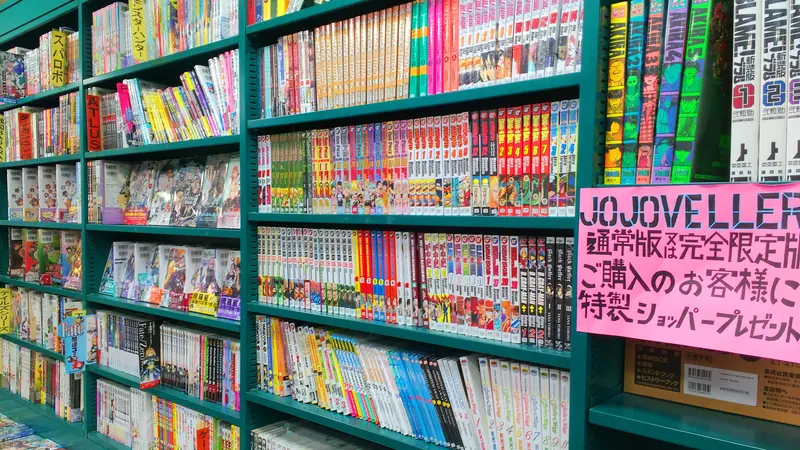
What is the difference between manhwa, manga and manhua? All three words mean "comics", in Korean, Japanese and Chinese, and they are written with the same original characters (漫畫). In practice they now describe three different traditions, with different reading directions, formats and genres, and very different learning curves if you want to read them in the original language.
This explainer covers the differences, then answers the question most learners actually have: which one can you read at your level?
Short answer: manga are Japanese comics, usually black and white and read right to left. Manhwa are Korean comics, now mostly full-color webtoons you scroll down. Manhua are Chinese comics, increasingly color webcomics too. For learners, webtoons and furigana manga are the easiest starts; manhua need more characters.
On this page
Manhwa vs manga vs manhua at a glance
| Manga (Japan) | Manhwa (Korea) | Manhua (China, Hong Kong, Taiwan) | |
|---|---|---|---|
| Script | Kanji, hiragana, katakana | Hangul | Simplified (mainland) or traditional (Hong Kong, Taiwan) characters |
| Reading direction | Right to left, top to bottom | Webtoons: top to bottom; print: left to right | Mainland: left to right; Hong Kong and Taiwan print: often right to left; web: top to bottom |
| Text in bubbles | Usually vertical | Horizontal | Horizontal on the mainland, often vertical in Hong Kong and Taiwan |
| Main format today | Magazine chapters, then collected volumes; growing digital share | Vertical-scroll webtoon episodes | Web manhua, many in vertical scroll |
| Color | Mostly black and white | Webtoons in full color | Web manhua mostly in color |
| Main platforms | Shōnen Jump+, Piccoma, publisher magazines | Naver Webtoon, Kakao Webtoon, KakaoPage | Tencent Comics, Bilibili Comics, Kuaikan |
| Typical genres | Every genre, grouped by readership (shōnen, shōjo, seinen, josei) | Romance, romance fantasy, action fantasy, martial arts, regression | Cultivation and xianxia, wuxia, comedy, romance |
| Built-in learner aid | Furigana in most shōnen and shōjo | Phonetic script, short bubbles | None: no pronunciation aid |
| Realistic start level | JLPT N5–N4 (with furigana) | TOPIK 1–2 | HSK 3–4 |
The levels in the last row are our estimates for the easiest native titles in each tradition, not averages. See how we rate media difficulty for how we set them.
What is the difference between manhwa, manga and manhua?
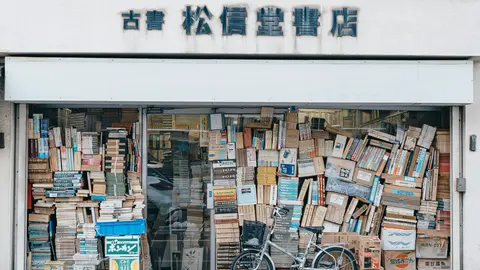
Manga (漫画, まんが) are comics from Japan. Most series first run chapter by chapter in anthology magazines and are then collected into paperback volumes called 単行本 (tankōbon). Japan's manga market reached a record ¥704.3 billion in 2024, with digital sales now the larger part, according to figures summarized on Wikipedia.
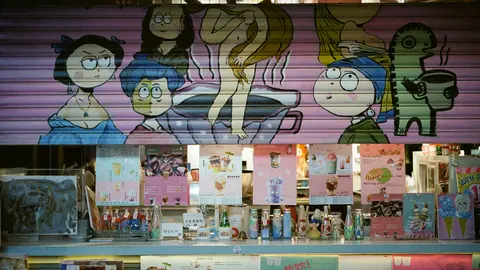
Manhwa (만화) are comics from Korea. Printed manhwa exist, but since the early 2000s the dominant form has been the webtoon (웹툰): long, vertical, full-color episodes made for scrolling on a phone. Daum launched its webtoon service in 2003 and Naver in 2004, and WEBTOON's global app followed in 2014.
Manhua (漫画, mànhuà) are comics in Chinese, from mainland China, Hong Kong and Taiwan. The tradition runs from the palm-sized picture-story booklets (连环画) popular in Shanghai by the 1920s, through classics like Sanmao and Hong Kong's Old Master Q, to today's web manhua on phone apps.
Which way do you read manga, manhwa and manhua?
Manga read right to left: start at the top right of the page, read the panels leftward and down, and read the vertical text in each bubble top to bottom, right column first. Official English editions usually keep this order rather than flipping the art.
Webtoons and web manhua simply scroll down, one panel under the next, with horizontal text. Printed Korean manhwa read left to right, like English. Printed Chinese manhua vary: mainland comics generally run left to right with horizontal text, while many Hong Kong and Taiwanese comics set text vertically and read right to left, like manga (per Wikipedia's manhua article).
Why are webtoons in color and manga in black and white?
Mostly production. A weekly manga chapter is around 20 pages drawn on a tight magazine schedule and printed cheaply, so black and white saves time and money. Webtoons were born digital, where color costs nothing to print, and studios often split the work between line art, coloring and backgrounds. Japan now has full-color vertical-scroll comics too, called 縦読み (tateyomi, "vertical reading") manga, and apps like Piccoma carry translated Korean webtoons alongside manga.
Where are they published?
- Manga: publisher magazines and their apps, such as Shueisha's Shōnen Jump+ (launched 2014), plus stores like Piccoma. Shueisha's MANGA Plus (launched 2019) carries official translations, not the Japanese text.
- Manhwa: Naver Webtoon and Kakao Webtoon (formerly Daum Webtoon) for Korean originals, KakaoPage for web-novel adaptations, and the global WEBTOON app for official translations. Our best webtoons for learning Korean lists level-sorted picks from these.
- Manhua: Tencent Comics (腾讯动漫), Bilibili Comics (哔哩哔哩漫画) and Kuaikan (快看漫画) on the mainland, plus print editions in Hong Kong and Taiwan. See the best manhua for Chinese learners for picks.
Availability and free-episode rules vary by country and change often, so check your region before you plan a series around one app.
What genres are typical for each?
Manga cover every genre and are sorted by intended readership: 少年 (shōnen, boys), 少女 (shōjo, girls), 青年 (seinen, young men) and 女性 (josei, women). Webtoons have their own staples: office and campus romance, romance fantasy set in invented noble courts, game-system action fantasy in the style of Solo Leveling, martial-arts "murim" stories and regression plots where a hero restarts their life. Web manhua lean on cultivation (immortal-seeking xianxia), wuxia martial arts, modern comedy and adaptations of web novels such as Heaven Official's Blessing.
Genre matters for learners because each one has its own vocabulary. Learn the core words of one genre and you can read dozens of series in it.
Words you will see in comics
| Native script | Romanization | Meaning | Note |
|---|---|---|---|
| 漫画 | manga (まんが) | comics | Japanese; often written in kana |
| 만화 | manhwa | comics | Korean; same root as 漫畫 |
| 漫画 | mànhuà | comics | Chinese; also used for Japanese manga |
| 웹툰 | weptun | webtoon | From "web" plus "cartoon" |
| 条漫 | tiáomàn | vertical-scroll comic | Chinese name for the webtoon format |
| 単行本 | tankōbon (たんこうぼん) | collected volume | Japanese |
| 단행본 | danhaengbon | collected volume | Korean, same characters |
| 連載 | rensai (れんさい) | serialization | Korean 연재 (yeonjae), Chinese 连载 (liánzǎi) |
| 振り仮名 | furigana (ふりがな) | small kana printed beside kanji | Shows how to read a word |
| 로판 | ropan | romance fantasy | Short for 로맨스 판타지 |
| 회귀 | hoegwi | regression | Hero returns to an earlier point in life |
| 修仙 | xiūxiān | cultivating immortality | Core cultivation-genre word |
| 武侠 | wǔxiá | martial-arts chivalry | Genre of swordsmen and sects |
Which is best for learners at what level?
Manga, for Japanese learners 漫画
Manga aimed at children and teens usually print furigana on every kanji, so you can sound out words you don't know yet and look them up. That makes Yotsuba&! (よつばと!) and Chi's Sweet Home realistic from late beginner level, and most shōnen series reachable around N4–N3.
What's hard: seinen and josei titles often drop furigana, sound effects are hand-drawn into the art, and vertical text takes a few weeks to get used to. Start with our beginner manga list.
Manhwa and webtoons, for Korean learners 만화 · 웹툰
Hangul is phonetic, so you can always sound a word out. Episodes are short, in color, and mostly dialogue, and the art does a lot of the explaining. A simple series like Maru is a Puppy (마루는 강쥐) works from TOPIK 1–2, and campus and romance webtoons fit TOPIK 3–4.
What's hard: comedy webtoons are full of slang, puns and sound effects, and on the main platforms the text is part of the image, so a pop-up dictionary can't read it.
Manhua, for Chinese learners 漫画
Nothing on the page tells you how to pronounce a character you don't know, so manhua demand more vocabulary before they become fun. Near-wordless classics like Sanmao the Vagrant (三毛流浪记) can be enjoyed earlier, and daily-life comedies like Go Brother! (快把我哥带走) are a good first real read at HSK 3–4.
What's hard: cultivation and wuxia series front-load jargon and semi-classical phrasing, and you need to choose between simplified and traditional editions.
Is manhwa easier than manga for learners?
For the first months, usually yes. A beginner in Korean can decode every word of a webtoon after learning Hangul, while a beginner in Japanese depends on furigana being there. By the intermediate stage the gap closes: furigana manga are very readable, and Korean comedy webtoons get harder because of slang. Manhua are the hardest of the three at the start, because Chinese has no phonetic backup on the page. None of this compares the languages themselves, only how much help the page gives you.
Can you read comics with a pop-up dictionary?
Not directly, because the text is part of the image in almost every format. What works instead: phone camera tools such as Google Lens or Papago's image mode for Korean, Pleco's OCR add-on for Chinese, and for Japanese manga, open-source OCR tools such as mokuro that make the text in scanned pages selectable. Use them for words you can't guess from the art, not for every bubble. For a full method, see reading in a foreign language.
Track your comics reading time
Comic sessions are short, so they are easy to undercount: ten minutes of webtoons on the bus, five days a week, is more than 40 hours a year of reading. Log them in LangTrack as reading, with the series name, and you can see how your comics time compares with your listening and when a series has become easy enough to move on from.
Frequently asked questions
What is the difference between manga, manhwa and manhua?
They are the Japanese, Korean and Chinese words for comics. Manga are usually black and white and read right to left. Manhwa today are mostly full-color vertical-scroll webtoons. Manhua are Chinese-language comics, increasingly published as color webcomics.
Which way do you read manhwa?
Webtoons scroll from top to bottom with horizontal text. Printed Korean manhwa read left to right, like English books, unlike Japanese manga, which read right to left.
Is manhwa the same as a webtoon?
Not exactly. Manhwa means any Korean comic, including print. Webtoon is the digital vertical-scroll format that most manhwa now use, and the word is also used for webcomics from other countries in the same format.
Which is easiest to read for language learners?
For beginners, Korean webtoons and Japanese manga with furigana are the easiest, because you can sound out unknown words. Manhua usually need around HSK 3 to 4 before they are enjoyable, since nothing on the page shows pronunciation.
Are manhua read right to left?
Mainland Chinese manhua and web manhua read left to right or scroll down. Many Hong Kong and Taiwanese print comics set text vertically and read right to left, like manga.
Track your comics reading
Log every chapter and episode, and see short reading sessions add up to real hours.
Start tracking — free